African Countries Flags
Explore flags from all 54 African countries with their meanings and symbolism
| Flag | Description |
|---|---|
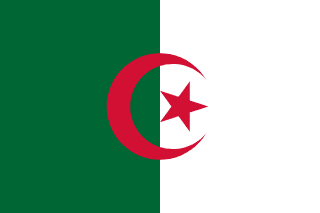 Algeria | Adopted in 1962, Algeria's flag features a crescent and star reflecting Islam, the country's primary religion, with a field of green and white symbolizing faith and purity. |
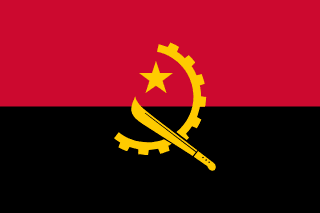 Angola | Angola's flag is linked to the Popular Movement for the Liberation of Angola. Black represents African unity, and red stands for the blood shed in the struggle for independence. |
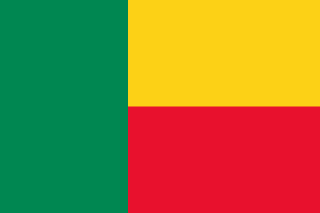 Benin | The flag features green for hope and revival, yellow for the country's riches, and red for the courage of ancestors. |
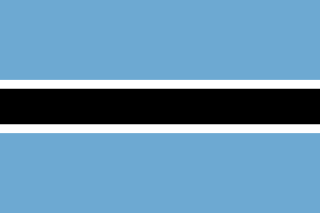 Botswana | Light blue represents water (rain), while the black and white stripes symbolize racial harmony and the zebra, Botswana's national animal. |
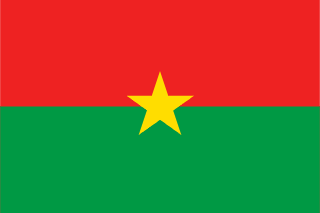 Burkina Faso | The flag has red for the revolution and green for agriculture and abundance. The yellow star represents the guiding light of the revolution. |
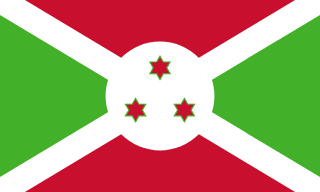 Burundi | The flag features a white saltire dividing red and green panels. Three stars represent the three ethnic groups and the national motto: Unity, Work, Progress. |
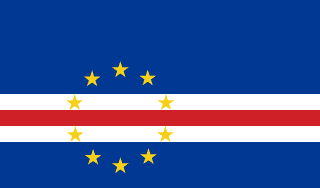 Cabo Verde | The flag has blue for the ocean and sky, white for peace, red for effort and progress, and ten stars representing the main islands. |
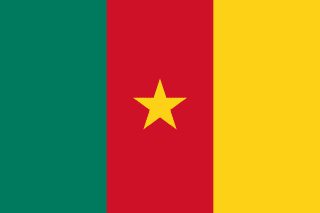 Cameroon | Green symbolizes the forest, yellow represents the sun and savanna, red stands for unity, and the star represents the unity of the state. |
 Central African Republic | The flag combines Pan-African colors with French flag colors. The red stripe symbolizes the blood of humanity and common bond, while the yellow star represents independence. |
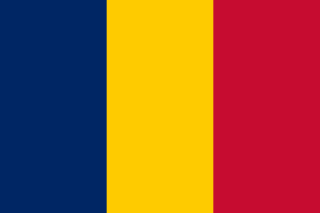 Chad | Blue represents the sky and hope, yellow symbolizes the sun and desert, and red stands for progress, unity, and sacrifice. |
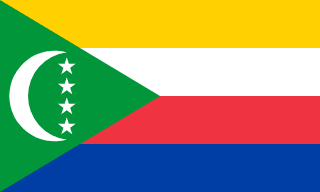 Comoros | The flag features a crescent and four stars representing the four islands. Green represents Islam, and the four stripes symbolize the main islands. |
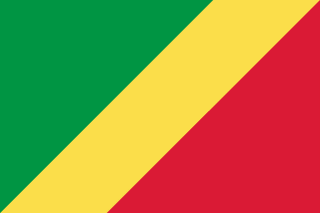 Congo | The diagonal stripe design features green for agriculture and forests, yellow for friendship and nobility, and red for the blood of martyrs. |
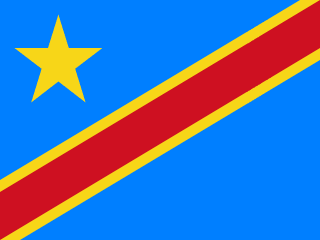 Congo (DRC) | Sky blue represents peace, red symbolizes the blood of martyrs, yellow stands for wealth, and the star represents a radiant future. |
 Côte d'Ivoire | Orange represents the savanna grasslands, white symbolizes peace and unity, and green stands for the coastal forests. |
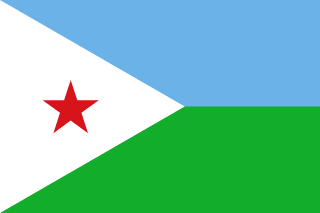 Djibouti | Light blue represents the Issa Somali people and the sky, green represents the Afar people and earth, white is for peace, and the red star symbolizes unity and independence. |
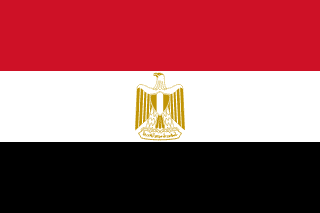 Egypt | The tricolor features red for the struggle against colonialism, white for the 1952 revolution, black for the end of oppression, and the Eagle of Saladin in the center. |
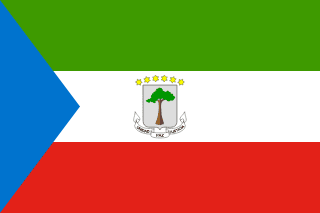 Equatorial Guinea | Green symbolizes natural resources, white represents peace, red stands for independence struggle, and blue is for the sea. The coat of arms features the silk-cotton tree. |
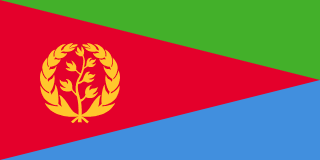 Eritrea | The flag features a red triangle with a golden wreath and olive branch, representing the blood shed for independence and the country's agricultural wealth. |
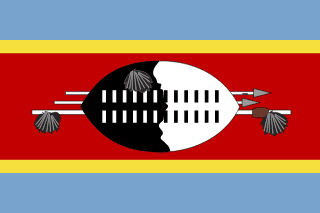 Eswatini | The flag displays a large black and white Nguni shield covering a staff and two spears on a field of blue, yellow, and blue, representing peace, protection, and mineral resources. |
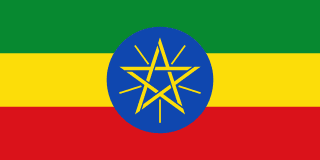 Ethiopia | One of Africa's oldest flags, it features green for fertility, yellow for hope and justice, and red for sacrifice. The blue disc with a pentagram represents unity and equality. |
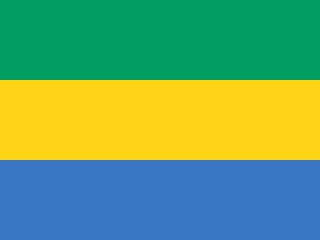 Gabon | Green represents forests, yellow symbolizes the Equator, and blue stands for the sea. |
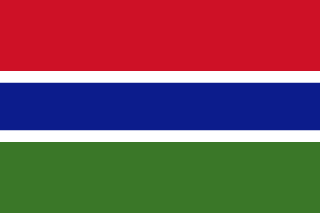 Gambia | Red represents the sun, blue symbolizes the Gambia River, green stands for forests and agriculture, with white stripes representing unity and peace. |
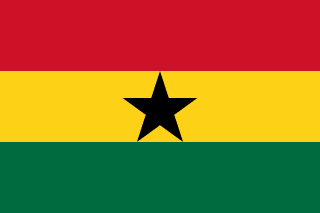 Ghana | The first African country to use Pan-African colors. Red for blood shed, gold for mineral wealth, green for forests, and the black star represents African freedom. |
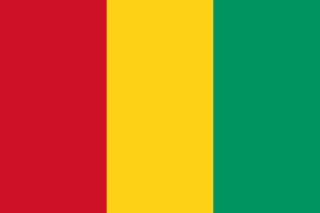 Guinea | Red symbolizes sacrifice, yellow represents the sun and mineral wealth, and green stands for the country's vegetation and agriculture. |
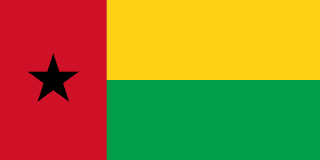 Guinea-Bissau | Red represents the blood of martyrs, yellow symbolizes the sun and savanna, green stands for forests and hope, with the black star representing African unity. |
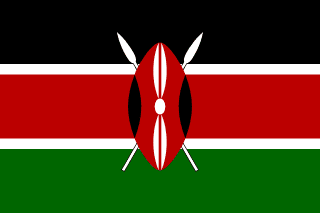 Kenya | Black represents the people, red symbolizes the blood shed for independence, green stands for natural wealth, with white stripes for peace and unity. The Maasai shield and spears represent defense. |
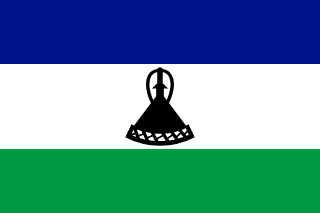 Lesotho | Blue represents sky and rain, white symbolizes peace, and green stands for prosperity. The black Basotho hat represents the indigenous people. |
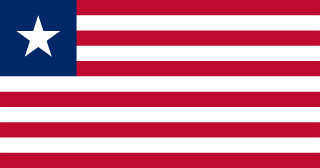 Liberia | Similar to the US flag, it features 11 stripes for the signatories of the Declaration of Independence, with a white star representing the first African republic. |
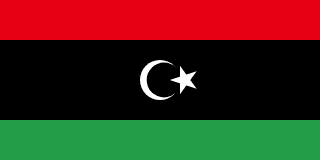 Libya | The flag features red for the blood of martyrs, black for the dark ages of colonization, green for prosperity, and a white crescent and star representing Islam. |
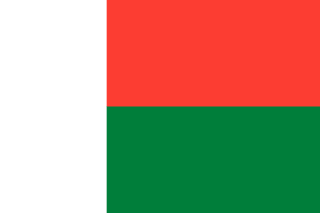 Madagascar | White represents purity, red symbolizes sovereignty, and green stands for hope and the land. |
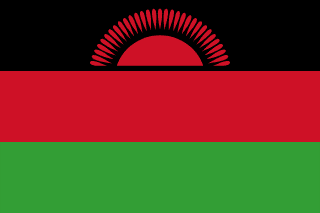 Malawi | Black represents the African people, red symbolizes the blood shed for freedom, green stands for the land, and the rising sun represents hope and freedom. |
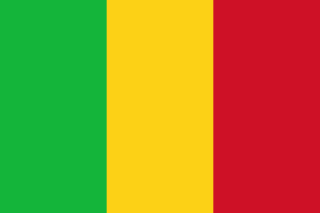 Mali | Green symbolizes fertility and agriculture, yellow represents purity and mineral wealth, and red stands for the blood shed in the struggle for independence. |
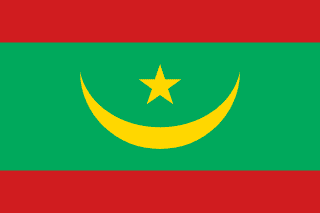 Mauritania | Green represents Islam and hope, with a golden crescent and star. The red stripes honor the defenders who sacrificed their lives for independence. |
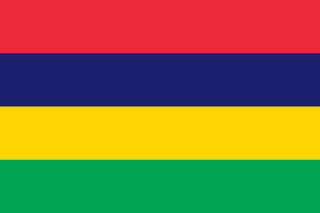 Mauritius | Red represents the struggle for freedom, blue symbolizes the Indian Ocean, yellow stands for the golden sunshine, and green represents agriculture and the land. |
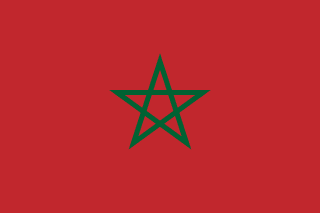 Morocco | The red field represents strength and valor, while the green pentagram (Seal of Solomon) symbolizes wisdom, peace, health, and life. |
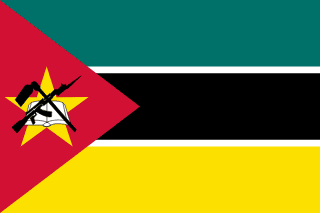 Mozambique | Green represents the land, black symbolizes Africa, yellow stands for mineral wealth, white represents peace, and red is for the struggle for independence. The AK-47 represents defense. |
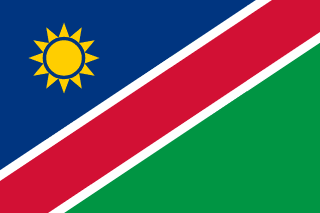 Namibia | Blue represents the sky and ocean, red symbolizes heroism, green stands for vegetation, with the golden sun representing life and energy. |
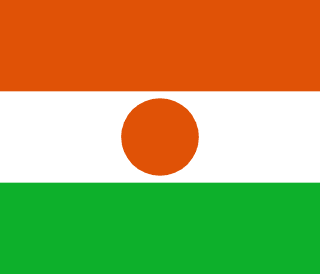 Niger | Orange represents the Sahara Desert, white symbolizes purity and the Niger River, green stands for agriculture, and the orange circle represents the sun. |
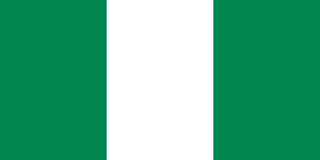 Nigeria | Green represents agriculture and natural wealth, while white symbolizes peace and unity. |
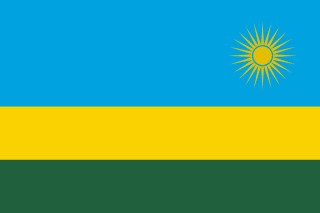 Rwanda | Blue represents peace and tranquility, yellow symbolizes economic development, green stands for prosperity and hope, with the sun representing enlightenment. |
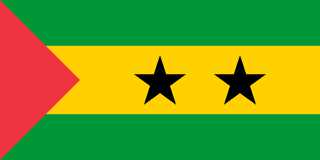 Sao Tome and Principe | Green represents vegetation, yellow symbolizes cocoa (the main crop), with two black stars representing the two main islands, and red represents the struggle for independence. |
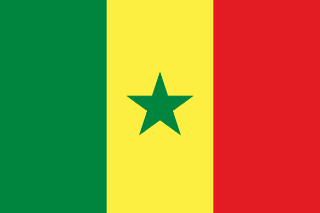 Senegal | Green symbolizes Islam and agriculture, yellow represents wealth and progress, red stands for sacrifice and determination, with the green star representing unity and hope. |
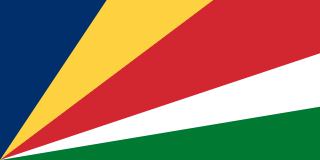 Seychelles | Blue represents the sky and sea, yellow symbolizes the sun, red stands for the people's determination, white represents justice and harmony, and green represents the land. |
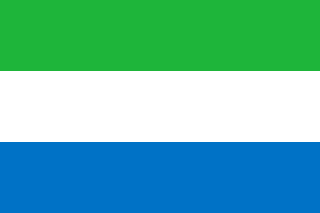 Sierra Leone | Green represents agriculture and mountains, white symbolizes unity and justice, and blue stands for the harbor and hope for peace. |
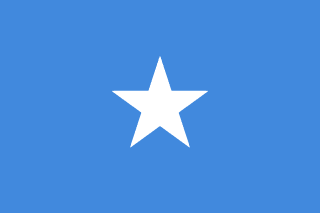 Somalia | The light blue represents the United Nations (which helped Somalia gain independence), while the white five-pointed star symbolizes the five regions where Somalis live. |
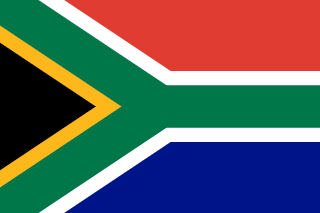 South Africa | The Y-shape symbolizes convergence and unity. Red represents blood shed, blue for the sky, green for the land, black for the people, yellow for mineral wealth, and white for peace. |
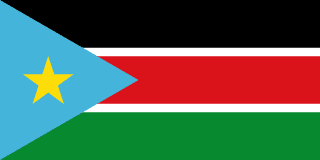 South Sudan | Black represents the people, red symbolizes blood shed for freedom, green stands for agriculture, white for peace, blue for the Nile, and the yellow star for unity. |
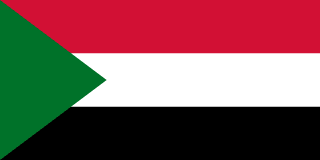 Sudan | Red represents sacrifice, white symbolizes peace and light, black stands for Sudan and the Mahdist Revolution, and green represents Islam, agriculture, and prosperity. |
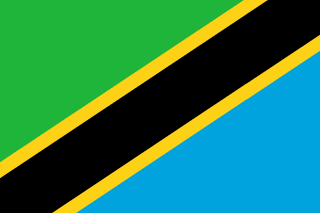 Tanzania | Green represents natural vegetation, blue symbolizes the Indian Ocean and lakes, black stands for the people, with diagonal yellow stripes representing mineral wealth. |
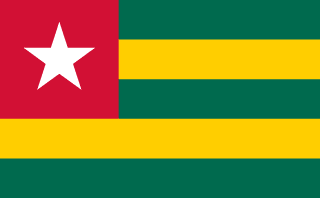 Togo | Green represents agriculture and hope, yellow symbolizes mineral wealth, red stands for blood shed for independence, and the white star represents peace and dignity. |
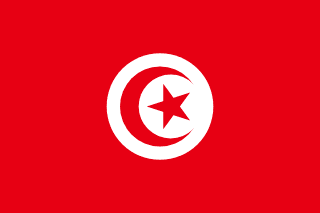 Tunisia | The red represents the blood of martyrs, while the white circle with red crescent and star symbolizes unity and Islam. |
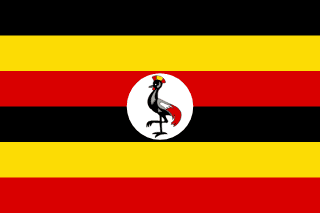 Uganda | Black represents the African people, yellow symbolizes sunshine, red stands for brotherhood, with the Grey Crowned Crane representing the country's forward movement. |
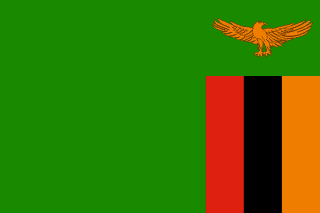 Zambia | Green represents agriculture, red symbolizes the struggle for freedom, black stands for the people, orange represents mineral wealth, and the eagle represents freedom. |
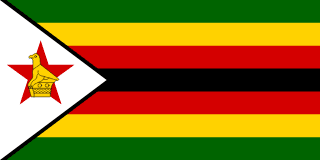 Zimbabwe | Green represents agriculture, yellow symbolizes mineral wealth, red stands for blood shed, black represents the indigenous people, white for peace, and the bird represents national identity. |
Download African Flags PDF courtesy of the Brooklyn Museum.
Related: African Capitals